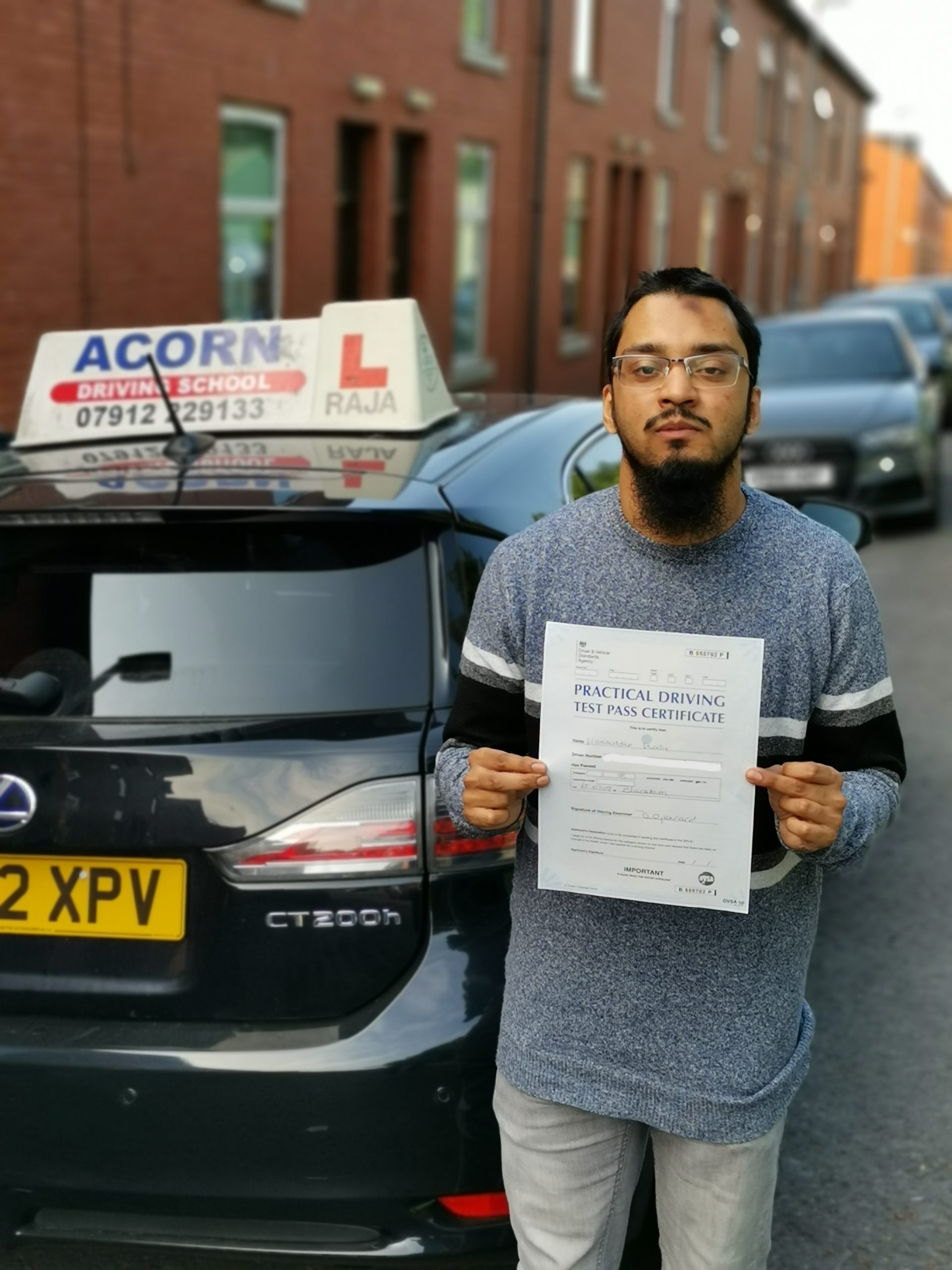
Working As A Driving Instructor
Working as a driving instructor can be a rewarding and flexible career choice for anyone who enjoys teaching and helping others gain confidence behind the wheel. Instructors help learners understand road rules, traffic signs, hazard perception, and safe driving habits through structured lessons and practical demonstrations. The role involves planning lessons, giving clear instructions, and providing constructive feedback that supports each student’s progress. Driving instructors often build strong relationships with learners, watching them grow from nervous beginners to confident drivers ready for their test. Many instructors choose this profession because it offers independence, flexible working hours, and the satisfaction of making a positive impact on people’s lives. To find supportive learning environments or schools that focus on specific learner needs, you can explore Women Automatic Driving School to see a model of inclusive and encouraging instruction.
Skills Needed To Be A Good Instructor
Being a good driving instructor requires a mix of practical driving expertise and strong interpersonal skills. Instructors must have excellent knowledge of UK road laws and be able to demonstrate safe driving behaviours at all times. Patience and communication skills are vital because learners come with different confidence levels and learning styles. A good instructor knows how to break down complex manoeuvres into simple, understandable steps and provide encouragement when learners face challenges. Professionalism, responsibility, and consistency help build trust with students and ensure lessons are effective and enjoyable. Continuous improvement and staying updated on road safety practices further enhance an instructor’s ability to teach at a high standard.
Training And Qualifications Required
To work legally as a driving instructor in the UK, you need to complete a series of DVSA tests including theory, practical driving, and instructional ability assessments. These tests ensure instructors have the right knowledge and skills to teach learners safely. Many candidates take specialised training courses that cover teaching methods, road safety education, and lesson planning. Training with experienced mentors or schools helps aspiring instructors understand how to manage different learner behaviours and deliver lessons confidently. Achieving your qualifications opens the door to working independently or within established driving schools. Preparing thoroughly for the licence tests increases your chances of success and sets a solid foundation for your career.
Day‑to‑Day Responsibilities
On a typical day, driving instructors prepare lesson plans tailored to each learner’s abilities and progress. They pick up students, explain upcoming tasks, and demonstrate safe driving techniques before allowing learners to practise. Throughout the lesson, instructors observe and correct driving behaviour, provide tips for improvement, and build confidence through positive reinforcement. After lessons, instructors often review progress with students, discuss areas for development, and plan next steps. Managing bookings, maintaining vehicle safety checks, and keeping accurate records are also part of the routine. This variety keeps the job interesting and ensures instructors stay engaged with both teaching and professional tasks.
Benefits Of Being A Driving Instructor
Working as a driving instructor comes with many benefits, including the freedom to set your own schedule and work independently. Many instructors enjoy the variety that comes with meeting new learners and adapting lessons for different skill levels. The satisfaction of helping someone pass their driving test and gain independence is a highlight for many in the profession. Financially, instructors have the potential to earn well, especially with consistent bookings and good reputation. There are also opportunities for career growth, such as offering advanced driving lessons or specialising in automatic instruction. Overall, the combination of flexible work, personal fulfilment, and potential income makes this career attractive for many.
Challenges And How To Overcome Them
Like any profession, working as a driving instructor has its challenges. Some learners may be nervous or take longer to build confidence, requiring patience and tailored approaches. Instructors must stay professional when dealing with difficult driving situations on the road and during lessons. Weather, traffic, and varying learner abilities can also impact how lessons go day by day. However, experienced instructors develop strategies to calm nervous learners, adapt lessons to changing conditions, and maintain a positive learning environment. Continuous learning and professional development help instructors handle challenges effectively and grow in their career.
Long‑Term Career Opportunities
As you build experience as a driving instructor, many long‑term career opportunities become available. Some instructors expand by mentoring new trainee instructors or opening their own driving school. Others choose to specialise in areas such as motorway instruction, pass‑plus courses, or refresher lessons for nervous drivers. The skills you gain as an instructor—communication, leadership, and road safety expertise—are valuable and transferable to other roles within transport and education industries. With dedication and continued professional development, you can create a stable and rewarding career path in driving instruction.
📞 07912229133 | 📧 info@acornsom.co.uk