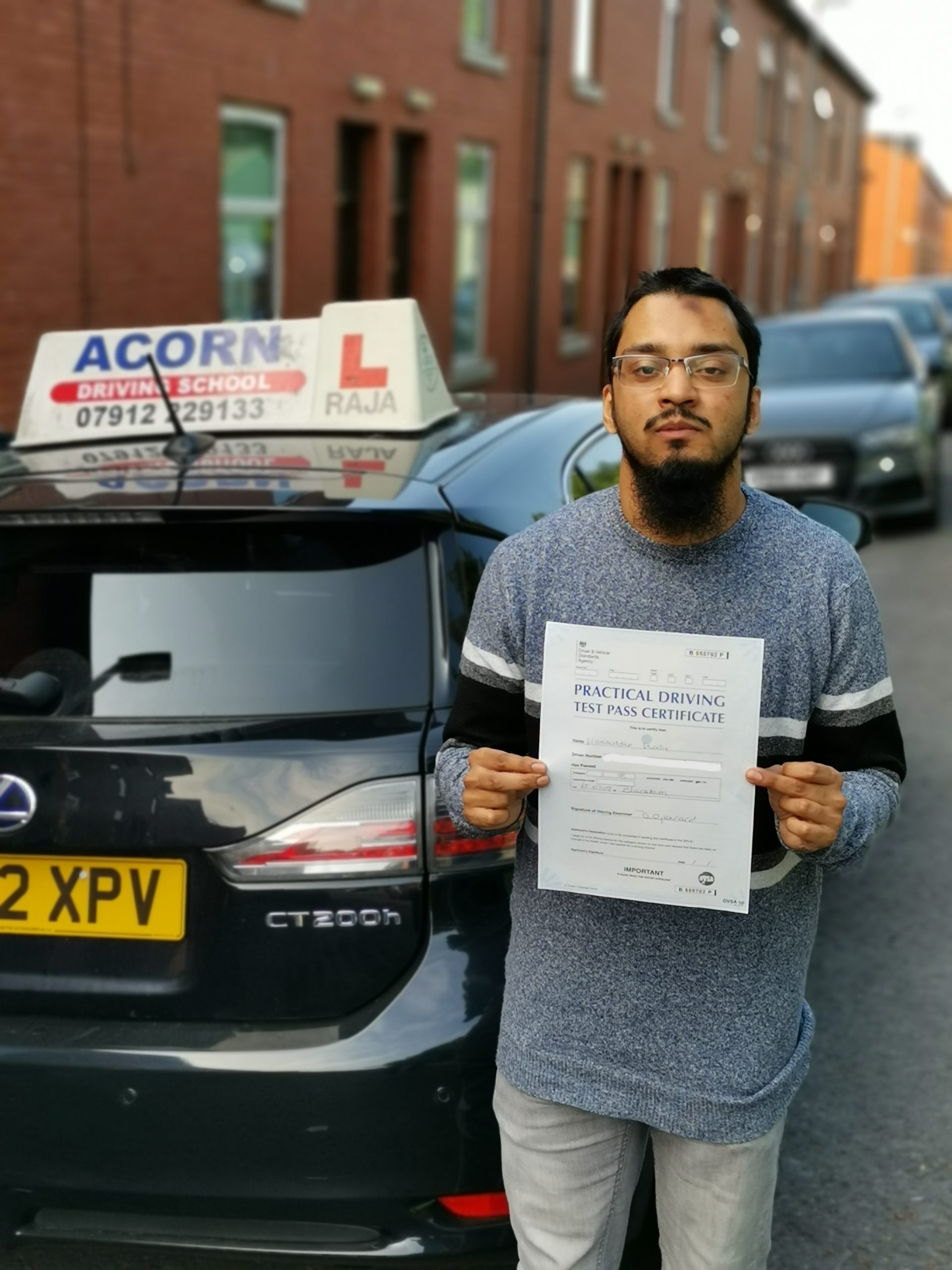
LDC Driving Instructor Training
LDC driving instructor training equips learners with the knowledge and practical skills needed to become professional driving instructors. The course covers teaching techniques, lesson planning, and how to manage learners of different abilities while following DVSA standards. Trainees gain hands-on experience delivering lessons in real traffic conditions, developing both confidence and competence. Instructors also guide learners on professional conduct, assessment preparation, and handling various road situations safely. For those wanting to build practical driving skills first, you can explore LDC Automatic Driving Lessons to see how automatic lessons can complement your training journey. Completing this training opens up flexible career opportunities and a clear pathway to a professional driving instructor career.
Courses for Aspiring Driving Instructors
Courses for aspiring driving instructors provide comprehensive training in both practical and theoretical aspects of teaching driving. Trainees learn how to deliver effective lessons, communicate clearly with learners, and assess driving performance professionally. Lessons include real-world driving scenarios to build confidence and ensure competence in all situations. Guidance is given on adapting teaching methods to suit individual learner needs and handling unexpected challenges on the road. Each session builds professional skills progressively, preparing trainees for DVSA assessments. Constructive feedback and practical exercises make the learning process smooth and effective. By the end of the course, learners are fully equipped to start their career as driving instructors.
Automatic and Manual Instructor Training
Automatic and manual instructor training allows learners to specialise in the type of vehicle they prefer to teach. Automatic training focuses on delivering lessons without the added complexity of gear changes, which helps trainees concentrate on teaching techniques. Manual training develops full vehicle control and a deeper understanding of driving mechanics. Both options include practical teaching experience, lesson demonstrations, and learner management practice. Training sessions are structured to build confidence while covering all essential teaching skills. Hands-on experience ensures instructors are prepared to handle any learner scenario safely and effectively.
Practical On-Road Sessions
Practical on-road sessions provide essential real-world teaching experience under the supervision of experienced instructors. Trainees practise delivering lessons, managing different road conditions, and guiding learners with varying abilities. Feedback after each session helps improve teaching style, driving skills, and student interaction. Sessions focus on developing a calm, professional approach while building competence and confidence. Practical experience is critical for DVSA assessment preparation and real-world driving instruction. Working through realistic scenarios ensures trainees become skilled and professional instructors.
Theory and DVSA Exam Preparation
Theory and DVSA exam preparation are vital components of driving instructor training. Trainees study driving regulations, teaching methods, and lesson planning to deliver safe and effective instruction. Mock exams and practice assessments prepare learners for official DVSA tests. Training also includes record-keeping, evaluation techniques, and student assessment methods. Combining practical and theoretical learning ensures trainees are fully prepared for qualification. This preparation builds confidence and expertise, allowing instructors to teach safely and professionally. It provides a solid foundation for a long-term career in driving instruction.
Career Opportunities for Instructors
Career opportunities for driving instructors are flexible and rewarding, offering roles with established schools or self-employment options. Graduates can work in both automatic and manual instruction, catering to a variety of learners. The profession provides independence, flexible working hours, and the opportunity to create a supportive learning environment. Additional courses and professional development can further enhance career growth. Completing driving instructor training ensures competence, confidence, and readiness for professional success. Instructors gain the skills needed for a fulfilling and sustainable career.
Supportive Learning Environment
A supportive learning environment is key for effective instructor training. Experienced trainers provide guidance, encouragement, and constructive feedback throughout the course. Lessons are structured to cover all aspects of teaching clearly and thoroughly. Trainees learn to manage different learner abilities while building confidence behind the wheel. Practical experience under supportive supervision ensures readiness for real-world instruction scenarios. This approach helps learners become competent, professional, and confident instructors. Graduates leave ready to deliver high-quality driving lessons safely and effectively.
📞 07912229133 | 📧 info@acornsom.co.uk